|
Broadway buggers and show queens
There is an amusing historical coincidence that came coupled with
the arrival of the very first hit piece of musical theatre. The
Black Crook, a tale of fairy queens and satanic promises featuring
over-the-top dance numbers and a bevy of songs including “You Naughty,
Naughty Men,” debuted in New York in 1866 just as German sexual
anthropologist Karl-Maria Kertbeny coined the term “homosexual.”
It could be argued that one wouldn’t have thrived without the other.
The anything goes nature of the musical offered a life of singing,
dancing and vamping that encouraged a flamboyant sensibility rather
than punished it.
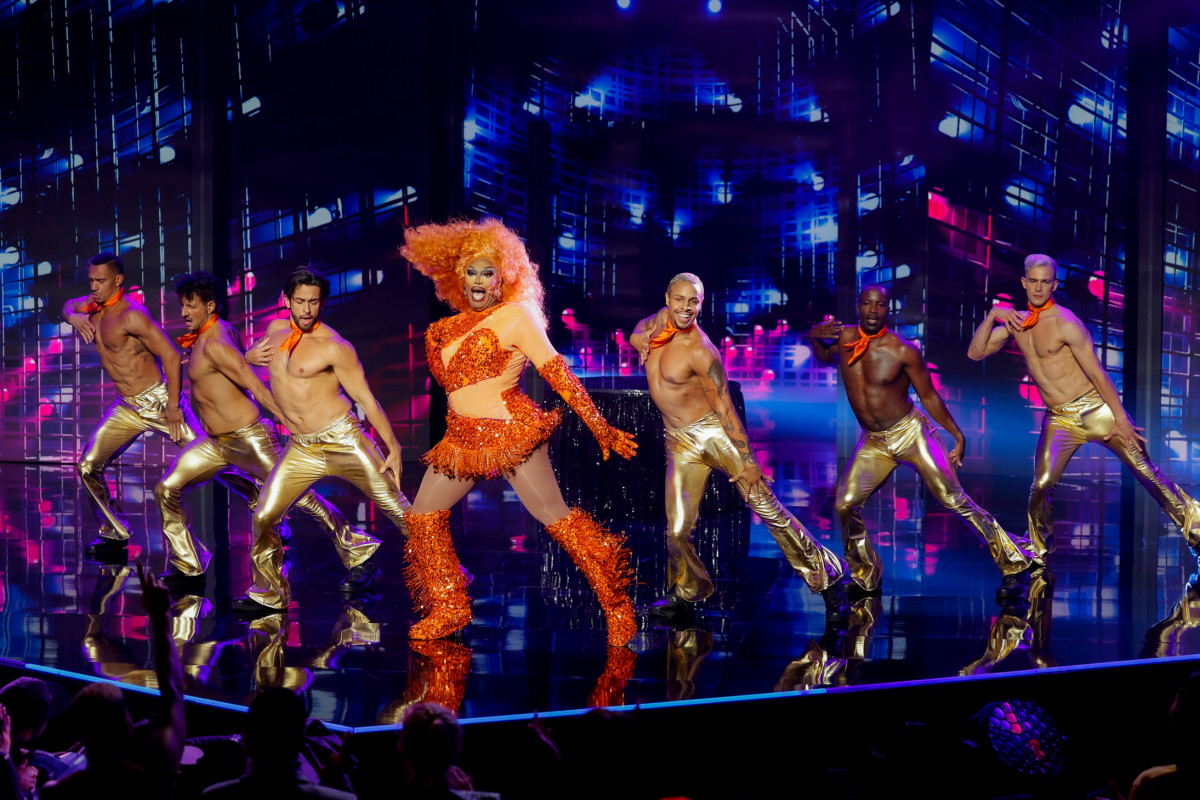
As a theatrical convention, musicals soar high on camp,
spectacle and glamour attracting fags like honey with escapist
themes, ripped and flexible chorus boys and scenery chewing
leading ladies who were pure inspiration for drag queens.
It would be there on stage that the first steps towards public
acceptance of gays would be made, even if only through an
appreciation of us as extraordinary entertainers.
Musical pioneers like Noel Coward and Cole Porter lived
deliciously salacious but secretive gay lives while they turned
out hit after hit. Unable to live openly they, like many in the
industry, got their jollies from coyly inserting gay innuendo and
references into their work. These dirty details and homo-lingo
went over the heads of the average theatregoer but thrilled all
the show queens desperate for a little acknowledgement. As
the years went on movie musicals took centre stage giving gay
directors like George Cukor and songwriter/arranger/producer
Roger Edens even more room to be outrageous and grandiose.
Gay icons like Judy Garland and Angela Lansbury emerged as
huge stars that embodied the bravado, optimism and underdog
spirit that categorized the early gay rights movement.
It wasn’t until after Stonewall that Broadway shows like Seesaw,
A Chorus Line, Cage aux Folles and Rent finally featured
out characters talking frankly about their sexuality and their lives,
to critical and box office success. Included in that list should
be the 2004 Tony Award winner for Best Musical, Avenue Q
playing now in Toronto. With a book written by openly gay writer
and vocal queer champion Jeff Whitty, the show features a gay closeted
Republican character who provides comedic relief due to the fact
he’s so uncomfortable with being out even though no one else is
concerned. The times have clearly changed and it would be hard to
ignore that musicals have played a part in creating space for and
dialogue about the gay male experience.
In this issue we say goodbye to our Style columnist Chris Jai
Centeno who is off to Morocco. Chris will be missed but we’re lucky
to have found a replacement with Max MacDonald. He’s a freelance
fashion writer for Elle Canada, OUT Magazine and XYYZ.ca to name
a few and starting next issue he will bring his fiery criticism
and spot on advice to the pages of fab.
Matt
Thomas
Associate Editor
editor@fabmagazine.com
|